
Reshaping the earth
Life in the land of mechanical monsters

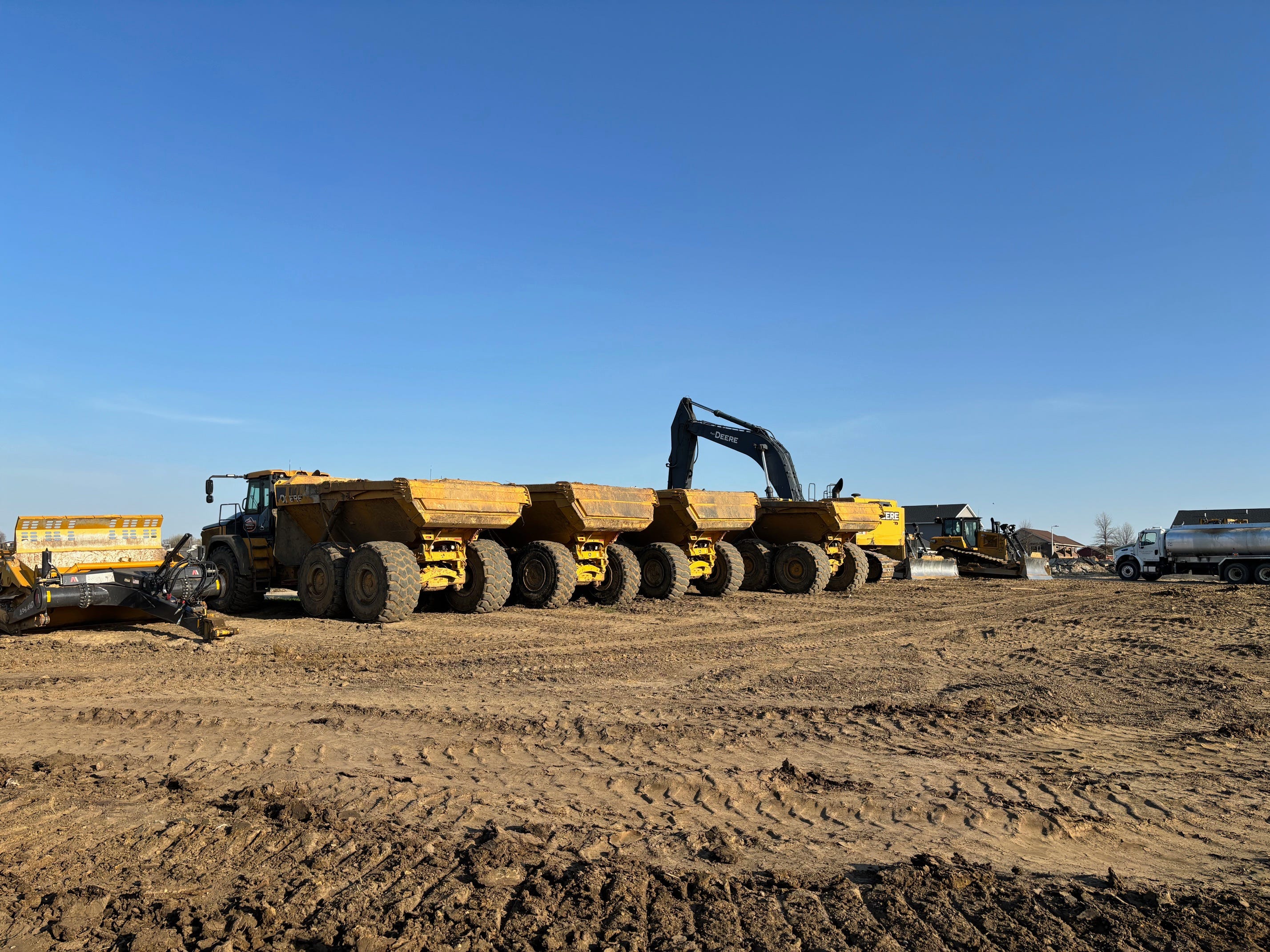
Each morning at 7 a.m., Monday through Friday, the engines of the gigantic mechanical monsters come to life. The roar of their huge diesel and gasoline engines continues through the day until 5 or 6 p.m., sometimes later depending upon the time it takes to park these behemoths in the de facto equipment yard cross the street from our home.
This evening there are 19 pieces of heavy earth moving equipment parked within 100 yards of our house. The full symphony of these bellowing engines and clattering tracks will begin their orchestral music tomorrow morning. This is probably what it was like to live beside a railroad yard in the early 20th century.
Fortunately, I can take out my hearing aids and move to the lower level of our house, and except for the vibrating walls and the occasional readjustment of the framed photos and prints hanging in the main room (which I have claimed as my clubhouse) I can tolerate this constant cannonade of noise. Sometimes.
Excavators, bulldozers, backhoes, articulated dump trucks, wheel tractors scrappers, crawler loaders, soil compactors, and a few machines I do not know the names of. Sometimes there are 20 operating within a quarter mile of our house, and another 10 to 15 roaring and hammering on the rest of the 300-plus acres that are being developed for (we are told) hundreds of single-family residences, duplexes, townhouses, and other dwellings in our neighborhood.
For more than three decades we lived in the 135-year-old log house on our small farm, the last place on a dead-end road. I did not fully appreciate the peace and serenity of those years.
These are not the pieces of earthmoving equipment I knew in my innocent youth: the D4 Caterpillar dozer I (secretly) used to push around piles of dirt at the edge of the pond my uncle was having built on his farm. That old D4 would be a Tonka toy beside the earthmoving machines that are ripping apart and completely reshaping the topography of our residential subdivision.
When we first moved to our new life in the city, I could look out my front window and gaze across a couple hundred acres of fallow land and farm fields, gently rolling plains, meandering waterways, scattered ponds, and groves of trees. I would pull on boots and a jacket, and my bird dog and I would go for an hourlong walk in rough country where she would frequently find and point pheasants.
This spring, virtually all of this piece of rural Minnesota land resembles a World War I battleground, scrapped down to bare soil with huge clods of hardened mud, cut by trenches, waterways gouged out to create catch ponds for stagnant runoff, and reformed into a series of what I think may be terraces for the streets and houses that will be built.
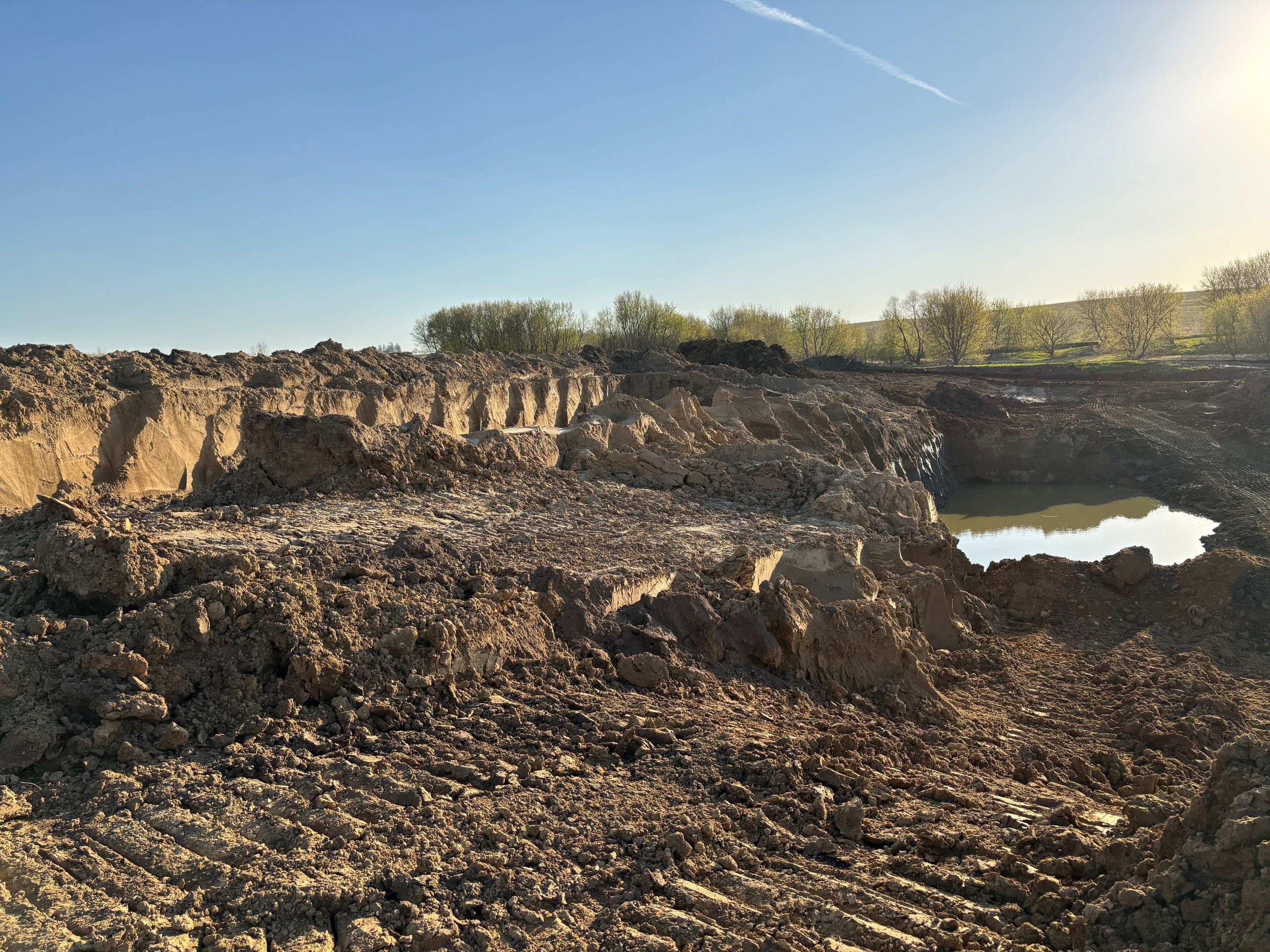
The change came when the previous owners/developers of this property sold the land to a nationwide home construction corporation. Rochester, Minnesota, is in dire need of housing, and the rules of capitalist economics being what they are, a home construction boom was inevitable.
However, we did not expect this massive shift in the pace the topography is being reformed. Perhaps we should be glad there is a housing boom in our community, but when we bought our new house three years ago about 10 or 12 homes were being built each year, and the builders operated three or four pieces of heavy equipment.
Now we are told the goal is to build a hundred-plus homes in the next two years. The new corporate owners plan to build more than 300 in the next four years, and the first step is reconfiguring the entire landscape in one year. Apparently, the equipment yard where all these earth moving machines on steroids are parked each evening will be right across the street from our home for at least that year.
Admittedly, I am ambivalent about this massive project. The equipment operators whose dozen cars and pickup trucks are parked along our street each morning are working 40 to 50 hours per week at good-paying jobs, and I am happy about that. On the other hand, hundreds of acres of churned up mud and the daily cacophony of the monster machines is wrecking not only the landscape but also my fragile sanity.
I tell myself that this time of troubles will pass, life is good, today’s springtime weather is beautiful, and I can go for a long, long walk along the city’s trail system and escape the worst of the noise. With hearing aids removed.
I've come to learn, but not accept, that change springs up in irritating ways with little to no warning. Once it starts there is no turning back. Be glad (I guess) that your neighborhood won't include a data center, or a man-camp in progress due to the construction of the data center. Or a 600 acre granite mining operation, where a 20 acre granite mining operation had been in play. The above examples are currently in Wyoming, but the limestone mining operation just along the trout hatchery road here is appalling. One has to either a) learn to anticipate that these things will happen and thus be unsurprised, or b) pull up stakes and find someplace else. Both of these options are increasingly difficult. I guess that's why people who can afford it spend much of their time traveling, or living temporary lives in semi-permanent places. But the hearing aid option thing is a good idea, too.
Heartbreaking for me to have land developed here in the South. No regard for wildlife, loss of old forest, drainage isn't even a thought. Just all greed.
Oh, I may have known that uncle with the pond.